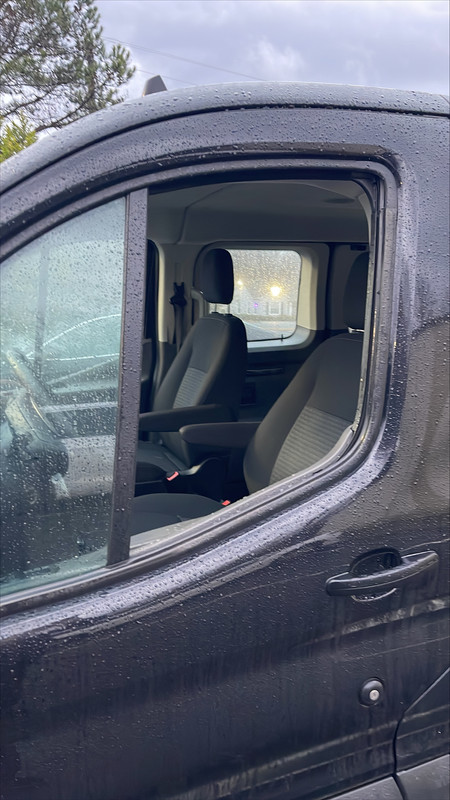
If you’ve ever walked out to your car and found a glittering pile of glass where a window used to be, you don’t forget the feeling. It’s equal parts anger and logistics: how do I secure the car, what did they take, and who can fix this fast? Side window replacement sits at the crossroads of security, safety, and convenience. In High Point, where cars are an everyday lifeline for commuting between work, school, and the I-74 corridor, getting the repair right matters as much as getting it done quickly.
Auto glass isn’t just glass. Side windows, quarter glass, and small fixed panes are integral to theft prevention and overall vehicle integrity. They are designed to shatter differently than windshields, they tie into airbags and window regulators, and on newer vehicles they’re woven into the larger ecosystem of sensors and safety systems. If theft protection is your focus, a smart approach to side window replacement starts before the first shard is vacuumed and continues well after the new pane is in.
Why side windows are the weak link thieves aim for
Most smash‑and‑grab thefts happen in seconds. The side window is often the target because tempered glass breaks into small cubes with a quick strike, especially the triangular quarter glass behind the rear doors. It’s quieter than you might think when done with a ceramic spark plug chip or a spring punch. Thieves don’t want your car, they want your bag, laptop, or handgun left under a jacket. That’s why replacement and prevention go together. We fix the damage, then change what the car signals to a criminal walking by.
I’ve replaced thousands of side windows around the Triad and patterns emerge. Break-ins cluster near gyms, trailheads, and overnight parking at apartments. Vehicles with visibly mounted suction-cup marks on the windshield or chargers dangling from the console get hit more often. After the repair, people ask me how to keep it from happening again. The answer is part technology, part habit, and part how the glass is installed.
The anatomy of a side window: what you’re actually replacing
Most door glass is tempered. When it fails, it granulates into pebble-sized pieces that won’t slice skin, which is why you end up finding tiny squares in the door shell weeks later. The forward quarter glass and rear fixed panes can be tempered or laminated, depending on the model. Laminated side glass, which sandwiches plastic between two layers of glass like a windshield, resists penetration. It takes longer to punch through and stays in one sheet. That extra resistance is a real deterrent for smash‑and‑grab thieves who rely on quick breaks.
In practice, most cars on the road in High Point still have tempered sides. Luxury and some EVs are adopting laminated fronts and fronts plus rears to cut road noise and improve security. If your car takes either, you should know it before we start, because the replacement cost and installation technique differ. Laminated side glass typically costs more and requires more precise setting, but it also adds a meaningful buffer against theft. If you’re choosing between OEM and aftermarket, ask whether laminated is an option. Some aftermarket catalogs list both, but an installer who knows your model will confirm what fits without inviting wind noise or regulator stress.
What to do in the first hour after a break‑in
You can’t replace a side window on the spot alone, but you can set the stage for a clean repair and reduce follow‑on damage. The fastest resolutions I see come from people who slow down for ten minutes and take a few disciplined steps.
- Photograph the scene and interior, then call non‑emergency to log a report number. You’ll need it for insurance and for any stolen items. Check all doors and the trunk. Thieves sometimes leave a door ajar, which drains the battery and can soak the interior in a storm. Brush glass off the seats with a stiff card or folded cardboard, not your hand. Avoid pushing shards into seat stitching. Use a painter’s tape grid on remaining shards before peeling them out. It keeps granules from raining into vents and door speakers. Cover the opening with a trash bag on the outside and a towel inside if weather threatens. If you plan to drive, skip the bag. It flaps at speed and can scratch paint. Better to leave it open and drive calmly to a shop or a safe spot for mobile service.
That’s the only list for now. A little care here saves an hour of cleanup later and can prevent minor injuries. I’ve watched people slice fingertips trying to brush glass out of the regulator tracks. Tape is your friend.
Choosing the right service in High Point
You’ll see two broad paths: drive-in High Point auto glass repair or Mobile auto glass High Point. If the car is otherwise drivable and the weather is cooperative, a shop bay helps with dust control and gives the tech full access to tools, adhesives, and lighting. When the car is parked at work or in a garage, mobile service is hard to beat. The best teams run both, with similar quality controls in each setting.
The trade-offs get more nuanced with modern vehicles. A side window replacement seems simple, but door cards now hide airbags, blind spot sensors, acoustic insulation panels, and in some models, radar heating elements. If your door has an airbag, the battery should be disconnected and the airbag module handled with care. If a cabin camera watches driver attention and ties into the ADAS hub, you’ll want a shop that can verify no fault codes triggered during disassembly. That’s where a shop with ADAS calibration High Point capability shines. Even if a side window doesn’t mandate a full calibration the way Windshield replacement High Point often does, the ability to scan, document, and clear codes is worth something.
I’ve had to redo work from bargain jobs where clips were reused and broken, vapor barriers were torn and not re-sealed, or the regulator channel was left gritty. The result shows up as rattles, slow window movement, or water leaking onto the speaker. Cheap can get expensive over time. Ask how they protect the interior, whether they’ll vacuum the door cavity, and if they replace one-time-use clips or seals.
Insurance, glass coverage, and what it actually costs
If you carry comprehensive coverage, side window replacement is typically covered after your deductible. In North Carolina, it’s common to see deductibles in the 250 to 500 range. A tempered side window replacement often runs between 200 and 450 for common models. Laminated panes and SUV quarter glass can push into the 500 to 900 range. If your deductible exceeds the cost, paying out of pocket avoids a claim on your record. Insurers in the Triad are used to glass claims; the process is quick when the shop handles billing directly. Good shops are fluent in the big networks and can start the claim while you’re still on the phone.
Be wary of anyone promising a cash-back incentive so large it raises your eyebrows. That money has to come from somewhere, and too often it translates to cheap glass, cut corners, or omitted steps. I have no problem with fair pricing, but I’ve also re-secured door airbags that were left dangling behind the panel.
What a correct side window replacement looks like
The repair should feel calm and methodical. Here’s the flow I expect from a solid technician in High Point, whether mobile or in-bay:
- Inspect the damage and confirm glass type, tint, and any acoustic or solar coatings. If your vehicle has etched VIN on glass, note it. Power down the vehicle as needed and protect the door panel, dash, and seats with pads. Keep a clean staging area for hardware. Remove the door card with proper trim tools, disconnect cables, airbag connectors, and switch packs without forcing anything. Replace one-time-use fasteners. Extract large shards and vacuum thoroughly, including the door cavity, window channel, and seat rails. Tiny glass cubes migrate into beltline seals if you rush. Inspect the regulator and tracks. Glass can gouge plastic sliders or kink a cable. If there’s drag, a dry-film lubricant on tracks helps. Avoid greasy sprays that attract grit. Seat the new glass into the channel, align to the regulator, and run it full range to check for bind, pinch, or squeaks. Check the runout along the A and B pillars. Reinstall a properly sealed vapor barrier. This is the unsung hero that keeps door rainwater off the speaker and carpet. Reseal with OEM-type butyl, not random tape. Reconnect the airbag and switches, then perform a function test. If applicable, run a quick scan for diagnostic codes and clear any temporary disconnect flags. Final vacuum, wipe down, and window cleaner on interior/exterior surfaces. A good shop will invite you to test operation before you pay.
That’s the second and last list. Details like the vapor barrier and regulator check distinguish a fix from a future headache.
Upgrading security with laminated glass and better seals
If theft is the reason you’re here, consider two upgrades during the replacement.
First, ask about laminated side glass options for your model. On many mid-market sedans and crossovers, at least the front door glass is available in laminated. It won’t turn your car into a vault, but a thief trying to shatter it will spend more time and make more noise. On a quiet apartment lot, seconds matter. The tactile difference is clear when you tap the glass with your knuckle. Laminated has a muted thump and won’t crumble when cracked. The cost bump varies by model, often 150 to 300 more per pane.
Second, ensure fresh beltline seals and guide channels if yours are worn. Loose, dried seals make the window rattle and can telegraph a flimsy, older car to opportunistic thieves. Firm seals also protect the interior from the wind-driven drizzle we get in High Point winters. If you ever hear a whistle at highway speeds after replacement, it’s not your imagination. The glass may be slightly out of track or the seal lip folded. Get it corrected early, before the glass scrapes and etches.
Deterrence tactics that actually work around High Point
People love gadgets, but simple behaviors outpace most gizmos. A clean, empty cabin is the strongest deterrent. The top three items I find missing after a break are small electronics, guns, and visible bags. Even an empty diaper bag attracts attention. Thieves don’t browse, they take what they can see.
If you park at City Lake Park or trailheads, leave the glove box open to advertise there’s nothing inside. Do the same with the center console. It feels odd, but it shuts down curiosity. At night, use a well-lit spot near cameras. Apartments with carports and unlit corners see repeat hits. If your complex has a pattern of break-ins, ask the manager about installing a decoy camera and sign at the lot entrance. It changes behavior.
A dashcam wired to an always-on circuit can help with evidence, but it also advertises that electronics might be inside. I recommend a parking-mode dashcam only if it’s tucked behind the mirror, wired cleanly, and your cabin stays otherwise empty. Strobe-style blinking LEDs do little except drain the battery.
Window tint comes up often. Dark tint can hide valuables, but it can also tell a thief that you have something to hide. Legal tint in North Carolina allows 35 percent on front sides and rear sides, with some exceptions. More important than darkness is what the window reveals. An empty cabin behind light tint beats a dark cave with silhouettes.
How High Point weather and roads affect glass work
Pollen season is brutal on window tracks. Those soft yellow grains mix with dew and create abrasive paste that rides the edge of the glass. If your window squeaks or moves sluggishly after spring storms, the track may need a flush. I keep a soft brush and a microfiber in the garage for a quick sweep along the beltline seal. It takes thirty seconds and prolongs regulator life.
Summer heat works the opposite angle. Adhesives and butyl sealers set faster in high humidity and heat, which is great for productivity but tough if a rushed tech sets the glass before double-checking alignment. A well-run High Point auto glass repair shop builds in a pause to test full range movement before sealing the door again.
Winter cold can stiffen old seals, and we do get a handful of freeze-thaw days where an overnight frost glues a window to the seal. If your car strains to lower the glass on a cold morning, resist the impulse to try repeatedly. That torque can strip a plastic gear in the regulator. Warm the cabin for a minute, then try again.
When the windshield enters the conversation
Windshield replacement High Point is a different beast, but it connects to side window work through the sensor network. If you replace a side mirror with a blind spot sensor or a windshield that houses a forward camera, the vehicle’s ADAS suite may require recalibration. After a side window replacement alone, a full calibration is rare, yet a smart shop will run a pre and post scan. If a side curtain airbag connector is disturbed or a door module hiccups, you’ll see a soft code. Shops that handle ADAS calibration High Point under the same roof can address it immediately.
Why mention this in a theft-focused article? Because some thieves yank door harnesses or pry at pillar trim during a break-in, hunting for a trunk release. After repair, an unexplained sensor warning might trace back to that rough handling. I’ve found half-clipped connectors behind pillar trims that would have caused intermittent faults months later.
OEM vs aftermarket glass: what I’ve learned
This debate gets emotional. Here’s the grounded version. OEM glass is made to the automaker’s tolerance and often includes acoustic or solar coatings specific to your trim level. Aftermarket glass ranges from excellent to mediocre. For side windows, the stakes are alignment, hardness, and edge finishing. Poor edge finish can chew up seals, and a slightly off curvature can bind in the track. The best aftermarket brands match OEM standards and are usually fine for tempered side windows. For laminated side glass and complex shapes like rear quarters, I lean OEM whenever the cost delta is reasonable.
When insurance is involved, they’ll often specify aftermarket unless you have a rider. If you prefer OEM, ask about paying the difference. On many models, the gap for a side window is manageable and worth it.
Clean-up that doesn’t leave you finding glass for weeks
Even with careful vacuuming, granulated glass travels. I bring three tools beyond the shop vac: a soft detailing brush to coax shards from stitching, a crevice tool wrapped in a microfiber to avoid scuffing plastic, and a strong magnet inside a sock to capture metallic debris mixed in with glass. It won’t pick up glass, obviously, but you’d be surprised what else sits under seats after a break-in. Move the seat through its full range, vacuum again, and hit the door drains at the bottom edge. They should drip freely after a rinse. If water pools in a door, it will find your speakers.
A week later, expect to hear a few stray clicks as you open and close doors. That’s normal. If you’re still finding glass raining from the door after two weeks, the door cavity wasn’t cleaned thoroughly. A reputable shop will bring the vacuum back and make it right.
A note on children, pets, and broken glass
I’ve seen families try to soldier on with a temporary plastic cover for days. With kids or dogs, that’s uncomfortable and risky. The granules are not razor-sharp, but a toddler’s fingers find them, and a curious dog nose will push into the seat gap. Mobile auto glass High Point service exists for exactly this scenario. You don’t need to drive across town with a flapping bag and a backseat full of booster seats. Schedule the repair where the kids can stay inside and the car can be secured quickly.
How long should you expect to be down?
For a straightforward tempered side window, a competent tech can finish in 60 to 90 minutes. Laminated panes can take 90 to 150 ADAS calibration High Point minutes because alignment and setting deserve extra care. Quarter glass varies widely. Some snap in with urethane and a trim panel. Others demand interior trim removal that doubles the time. If the break-in damaged the regulator, add an hour or two. The best way to save time is to share your VIN and photos before the appointment, so the shop arrives with the correct glass, clips, and seals.
If your schedule is tight, book the first appointment of the day. You’ll get cooler temperatures, fresher focus, and fewer surprises.
When to reconsider your parking pattern
If your car was hit at the same location where you regularly park, give yourself permission to change routines. A 60-second walk to a different spot can lower your risk exponentially. Properties along busy roads draw more attention. Corners near dumpsters or hedges are short-sighted picks at night. Rotation helps, too. Thieves revisit fertile ground. If they can’t pattern your vehicle, you blend into the background.
Workplaces can help by posting short reminders near gym areas and by offering a monitored drop box for personal items at the front desk. I’ve watched two clients eliminate break-ins at a small office by moving staff parking under a single camera and trimming shrubs that blocked line of sight. Simple changes beat heroic reactions.
Final thoughts from the bay
Side window replacement is one of those repairs that feels routine to a technician and deeply personal to the vehicle owner. You’re not just replacing glass, you’re restoring a sense of control. Done well, the repair tightens the car, quiets the cabin, and hardens your defenses against the next opportunist. In High Point, you have options: in-bay service for full control, Mobile auto glass High Point for convenience, and shops that can tie in diagnostics and ADAS calibration High Point when the job touches sensitive components.
If you’re reading this after a break-in, take a breath. Photograph, secure, and call a reputable shop. Ask about laminated options, fresh seals, and whether they’ll scan for codes and replace one-time clips. Keep your cabin empty, your glove box open in high-risk spots, and your parking choices intentional. The glass will be new, but the greater win is turning your car from an easy target into a boring one. Thieves move on from boring. That’s the quiet victory you can live with.