A crack across your windshield always shows up at the worst time, usually right before a commute down I‑240 or a weekend run along Merrimon. In Asheville 28801, most drivers don’t have the margin to park the car for half a day and wait around a shop. That’s why mobile windshield repair and replacement exists, and why it makes sense across downtown, Montford, Five Points, and the South Slope. The right team can meet you in a parking deck on College Street, your driveway near Hillcrest, or a job site south of River Arts, then get you back on the road with clean sightlines and a safe, leak‑free install.
What follows is a clear view of how mobile auto glass should work in Asheville, what’s realistically fixable versus what needs replacement, what to expect with ADAS and windshield calibration, and practical tactics to keep costs and downtime in check. I’ll point out where OEM and aftermarket glass make a difference, how to work with insurance without getting stuck in a maze, and why the last 10 percent of the job, the cleanup and curing, determines your long‑term satisfaction more than any glossy promise.
How mobile auto glass service really saves time in 28801
The core advantage is obvious, but the details matter. A complete mobile windshield replacement, from arrival to final wipe‑down, usually runs 60 to 120 minutes depending on the vehicle, the level of ADAS complexity, and how stubborn the old urethane bead is. For straightforward rock chip repair in 28801, expect 20 to 40 minutes. When you’re parked off Biltmore Avenue or tucked behind a building on Patton, that difference between an hour on‑site and a half day at a shop is the difference between keeping a meeting and rescheduling your morning.
Mobile teams that do this every day in Asheville bring a few strengths that matter in practice. They carry a wide range of common fitments for front windshield replacement across sedans, SUVs, and light trucks, plus adhesive systems that work in the valley’s typical temperature and humidity swings. Good techs also plan around weather. In light rain, a pop‑up canopy and moisture‑tolerant glass primers keep the job moving. In a downpour, they help you find a covered deck in 28801 or reschedule for a tight next‑day window rather than pushing a bad install.
I have replaced windshields in early spring when the morning starts at 40 degrees and climbs to 65 by noon. The wrong urethane will skin over, then fail to bite under the edge. The right urethane, paired with a proper pinchweld prep, cures in a predictable window. When someone says same‑day auto glass in 28801, ask them about their adhesive system and safe drive‑away time at the temperatures you expect that day. A professional answer builds confidence.
Repair or replace: don’t guess, evaluate
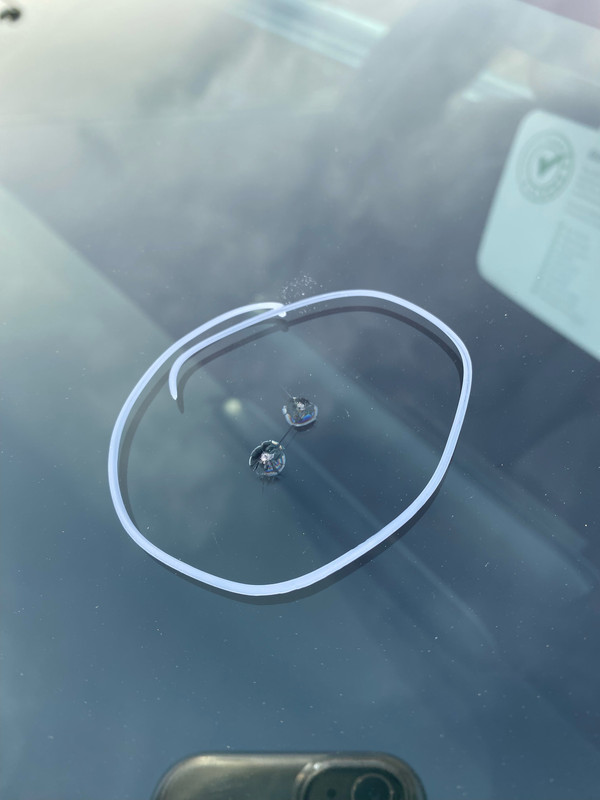
Windshield damage falls into a few patterns. A clean bullseye or a star chip smaller than a quarter, clear of edge stress and out of the camera field, is a candidate for on‑the‑spot resin injection. A short crack under six inches, again well clear of the edge and driver’s primary view, can often be stabilized so it doesn’t creep when the cabin warms in the afternoon. Anything longer, especially if it touches the edge or sits in the heated wiper park area, usually demands replacement.
I once stabilized a spidering rock chip on a commuter’s Civic near Pack Square on a 55‑degree afternoon. The repair looked textbook. Overnight, the temperature fell to the low 30s. Next morning the crack marched another two inches across. Edges amplify stress. If damage lies within two inches of the perimeter or intersects an existing chip, I lean toward replacement. It costs more upfront, but it avoids the frustration of paying twice.
The same logic applies to side and back glass. Side windows and rear windshields (back glass) are tempered, not laminated. When they go, they shatter rather than crack cleanly. That means replacement every time, with a vacuum and crush‑zone cleanup to chase fragments from door channels and trunk wells. A thorough mobile team in Asheville 28801 brings trim clips, vapor barrier tapes, and glass runs so the window tracks right the first time.
Choosing between OEM and aftermarket glass
Both can be correct. The deciding factors are sensors, acoustic needs, and how picky you are about optical quality. OEM glass from the vehicle manufacturer or its Tier 1 supplier will match the original curvature and often includes the exact frit patterns and acoustic lamination. On newer vehicles with driver‑assist cameras, rain sensors, or heads‑up displays, OEM or OEM‑equivalent glass reduces the chance of camera misread after replacement.
High‑quality aftermarket glass has improved. Many brands meet DOT and ANSI Z26.1 standards, carry the right acoustic PVB layers, and accept sensor mounts without fuss. If you drive a base trim, no HUD, standard mirror, and only basic lane camera, a reputable aftermarket windshield can be an economical choice without sacrificing safety. Where I draw a line is on specialty IR‑reflective coatings or complex HUD optics. If your dash projects a crisp speed readout, err toward OEM glass in Asheville 28801 to avoid ghosting at night on Hendersonville Road or Tunnel Road.
A quick test after install helps. Drive at dusk and read a road sign with the sun low behind you. Any double image or wavy distortion suggests optical variance. Good shops will stand behind their windshield replacement in 28801 and swap a pane that doesn’t pass that simple test.
ADAS and windshield calibration in Asheville
Advanced driver‑assistance systems rely on a camera that looks through the windshield and sometimes radar sensors behind the emblem. When you remove and replace the glass, the camera’s perspective shifts a few millimeters. That’s enough to throw off lane centering, automatic emergency braking, and traffic sign recognition. Windshield calibration in Asheville 28801 is not optional, it’s part of the job on vehicles equipped with these systems.
There are two flavors of calibration. Static calibration uses a target board, set at exact distances and heights, often in a controlled environment. Dynamic calibration happens on a prescribed road drive at set speeds. Asheville’s mix of 25 to 45 mph roads near 28801 works well for dynamic routines, but rain, patchy lines, or heavy traffic can confuse the camera. The best practice is to perform static calibration after the adhesive’s safe drive‑away time, then run a dynamic check to verify alignment on a clean‑striped stretch, for instance the smoother sections of I‑26 or I‑40 depending on lane quality that week.
If your vehicle flags a calibration requirement, insist the provider includes ADAS calibration as part of the estimate. Ask how they handle vehicles that call for both static and dynamic steps, and where they set up static targets in or near 28801. A thorough team documents pre‑ and post‑scan results, gives you printouts, and explains in plain language what changed. That documentation matters for insurance windshield replacement in the 28801 area and for your own records if you later sell the vehicle.
The 28801 realities: parking, weather, and traffic
Downtown Asheville squeezes space. I’ve done replacements tucked behind the Civic Center garage and on slanted driveways in Montford. A good mobile auto glass team asks where they can stage, whether there is a flat work area, and if there’s enough clearance to open doors wide without kissing a concrete pillar. Light wind is fine, but high gusts make setting a large truck windshield risky. If weather looks sketchy, I’ll suggest meeting beneath cover. The point isn’t to push through a job, it’s to deliver a windshield that seals, cures, and calibrates exactly as designed.
In midsummer, the heat bouncing off asphalt speeds cure times. In December, cloud cover and cool air may double the adhesive’s safe drive‑away window. If someone quotes a rigid 30 minutes year‑round, be skeptical. In practice across Asheville’s seasons, I see safe windows ranging from 30 to 180 minutes depending on product and conditions. You should be told the time for your day and vehicle so you can plan around it.
What a meticulous mobile installation looks like
The difference between a decent replacement and one you forget about for years is the preparation. We protect paint with fender covers and tape, pop wiper arms and cowling without cracking brittle clips, then cut the urethane bead without raking the pinchweld. That metal channel is your rust barrier. A careless gouge will bloom into rust under the urethane in a year, leading to leaks you notice only when the driver’s carpet feels damp after a thunderstorm near Pritchard Park.
After the glass is out, the old urethane is trimmed to a consistent, thin layer. Fresh primer goes on, matched to the adhesive manufacturer’s spec. We set locator stops, run a continuous bead of urethane with the correct V‑notch size, and set the glass in a single controlled motion. Before anything else, we check the reveal, trim alignment, and sensor seating. Only then do we snap the cowling back, torque the wipers, and wipe down the interior. A clean, lint‑free final pass matters. Bits of old glass hide in defrost vents, and any stray sliver becomes a nuisance weeks later.
Repair technique matters, too
Chip repair isn’t just squeezing resin and calling it good. A clean repair starts with drying the pit and, if needed, gently flexing the crack to draw resin into the tips. On a warm afternoon by the Basilica, the resin flows nicely. On a cold morning on Charlotte Street, a heat cycle or a portable lamp coaxes it in. UV curing is quick, but the post‑cure polish is where clarity returns. A proper finish leaves a faint mark, not a bright star that catches your eye every time you turn onto Haywood.
There’s also a limit to honesty. If a chip sits in your direct line of sight, repair can leave a refractive artifact that fleet auto glass asheville 28803 annoys you during night driving. I’ve told more than one driver around 28801 that while a repair would stop the crack, a full windshield replacement might be the better path for comfort and safety.
Costs, insurance, and realistic timelines
For a straightforward windshield replacement in Asheville 28801, expect a total bill in the low to mid hundreds for mainstream sedans and SUVs, climbing when you add OEM glass, acoustic interlayers, heated wiper zones, or complicated sensor brackets. Vehicles with heated windshields or HUD can add a meaningful premium. Chip repairs run far less, and many insurers in North Carolina cover rock chip repair with little or no deductible because it prevents more expensive claims later.
If you’re going through insurance auto glass in 28801, have your policy number ready and know your comprehensive deductible. If your deductible is higher than the replacement cost, paying out of pocket can be simpler, especially if you prefer OEM glass that your policy wouldn’t fully cover. Quality shops in downtown Asheville handle direct billing, but you should still approve the glass selection and calibration plan, not just the price. Ask for the glass brand in writing, and whether the quote is for OEM or a specific aftermarket line.
Turnaround times vary. During hail pockets or the first freeze of the season, phones ring off the hook. Same‑day auto glass in Asheville 28801 is still possible, but late afternoon slots go fast. If you have a cracked windshield in 28801 that’s growing, call early. Describe the damage precisely and share your VIN so the right glass lands on the truck the first time. Nothing delays more than arriving with a windshield that fits a trim without the rain sensor or a truck cab variant that’s off by an inch.
Working across Asheville ZIP codes, not just downtown
Most mobile teams that serve 28801 also handle surrounding ZIP codes without a fuss. If your office is in 28805 and your home is in 28804, they load for both. Searches like auto glass Asheville 28801 or 28801 mobile auto glass Asheville bring up providers that also run routes into 28802, 28803, 28804, 28805, and 28806. If you manage a small fleet in 28803 or 28806, ask about scheduled maintenance blocks. Grouping work on three or four vans saves everyone time and may shave the per‑vehicle rate.
I’ve fit rear windshield replacement jobs in 28803 between a morning chip repair in 28801 and an afternoon SUV windshield replacement in 28804. The key is communication. Share parking details, gate codes, and whether there’s a garage bay. For high‑roof trucks in tight lots, we need extra space to maneuver the glass without tapping a brick wall.
When side windows and back glass break
A theft or a stray lawnmower stone turns into a thousand cubes of tempered glass. The cleanup is tedious, but it matters. Door cavities collect fragments that rattle for months and can damage window regulators. A thorough side window replacement includes pulling the panel, vacuuming the inner cavity, inspecting the regulator and run channel, and replacing broken clips. The window should glide without binding. If you hear a scrape, that’s a fragment lodged in the seal.
Back glass adds the defroster grid. When we remove the remnants, we preserve the electrical tabs so the new glass connects cleanly. On some SUVs, the back glass integrates with a liftgate frame that demands alignment so the latch seals evenly. Missing that detail leads to water tracking into the cargo area after a rain on Lexington Avenue.
Fleet and work trucks need a slightly different approach
Commercial trucks in Asheville see more gravel and highway miles. Rock chip repair is a weekly routine for some fleets in 28801 and 28803. Keeping those chips filled prevents fatigue cracks that bench a vehicle on a busy day. For trucks with aftermarket camera systems, or older models without ADAS, aftermarket glass is often the practical choice. But don’t cut corners on urethane. A heavy windshield sees more body twist on uneven job sites. Adhesive with higher shear strength helps the bond survive.
For fleet managers balancing cost in Asheville 28801 and beyond, agree on specs once, document them, and expect the same glass line, urethane, and calibration steps on every replacement. Consistency pays off in fewer surprise callbacks.
Red flags when choosing an auto glass technician in 28801
- Vague answers about ADAS calibration or claims that it’s never needed for your model without checking the build. No mention of safe drive‑away time for the day’s temperature, or a one‑size‑fits‑all time window. Reluctance to name the glass manufacturer or adhesive brand on the estimate. No pre‑ or post‑scan documentation for vehicles with driver‑assist systems. Sloppy handling of trims and cowling, or leaving visible urethane squeeze‑out.
Keep that short list handy. It separates the pros from the opportunists.
What you can do before the tech arrives
- Clear a flat space if possible, with two to three feet of room around the front of the car. Remove toll tags or dash cams so cameras and mirrors can be remounted cleanly. If you have lane cameras, charge your key fob and be ready for a short calibration drive if required. Share any leaks or wind noise history, which can hint at previous work under the cowling. Have your VIN and, if using insurance, your policy details ready to confirm glass and billing.
Those five steps compress the visit and reduce back‑and‑forth.
On curing, leaks, and wind noise
Most callbacks trace to three things, all preventable with patience. First, rushing the drive‑away time. Even quick‑cure urethanes need a realistic window to reach enough strength. Second, setting height. If the glass sits a millimeter low at a corner, the reveal trim won’t seat, which becomes a wind whistle at 45 mph along Broadway. Third, pinchweld treatment. Skipping primer where bare metal peeks through invites corrosion that undermines the bond.
If you hear a faint whistle after your replacement in 28801, note the speed it starts and whether it varies with crosswind. A good tech can tape around the suspect area, road test, and isolate the source. If you spot moisture after a storm, mark the wet area and time. A small adjustment or reseal usually solves it. The point here is accountability. Stand‑up teams in Asheville own these fixes and treat them as part of the service rather than extra work.
The chip repair clock and Asheville’s temperature swings
There’s a window to repair chips before they turn into cracks. Heat and cold cycles push resin and air in and out of the break. In 28801 spring and fall, temperatures can swing 25 degrees in a day. If you catch a chip in the morning, call right away. Parking in shade helps keep the glass closer to ambient so a repair bonds evenly. Once a crack starts to grow, the cost calculus changes quickly. Chip repair prices are small, time blocks are short, and many policies cover them. Use that to your advantage.
Where the rubber meets the road: a realistic same‑day timeline
A typical same‑day mobile windshield replacement in 28801 can look like this. You call at 8 a.m., share the VIN, camera and sensor details, and your location near Pack Square. The scheduler confirms glass availability and a 1 to 3 p.m. window. The tech arrives at 1:15, does a quick pre‑scan, removes trims, cuts the glass, preps the pinchweld, lays fresh urethane, and sets the new windshield by 2. Calibration starts by 2:20, static first if your vehicle requires it, then a dynamic road check on a clear‑striped route. By around 3 or a little after, you’re holding documentation and the vehicle is sitting through the last minutes of drive‑away time. You’re rolling by late afternoon.
Stretch this for HUD complexity, a stubborn rust spot, or if rain forces a covered location shift. Shrink it for straightforward models without cameras. The range is normal, and honest teams will give you the likely bracket rather than a rosy low number.
A short word on 28801 and nearby ZIP coverage
If you’re searching phrases like auto glass Asheville 28801, Asheville windshield repair 28801, or mobile windshield replacement Asheville 28801, you’ll see providers who also serve 28802, 28803, 28804, 28805, and 28806 regularly. Many will meet at work in one ZIP and finish calibration where road conditions cooperate in another. That flexibility is a strength in a hilly city with micro‑weather. Just make sure the estimate reflects the actual work, including windshield calibration in Asheville 28801 when your vehicle needs it, and that the team communicates clearly as conditions change.
Final notes from the field
A great mobile auto glass service blends craft and logistics. It’s the tech who protects your paint, the scheduler who finds a covered spot when summer storms pop over Beaucatcher, and the calibration specialist who knows which stretch of road will complete a dynamic alignment without last‑minute lane closures. When all three line up, your windshield disappears again, which is exactly how it should be.
Keep your expectations simple and firm. Ask what glass you’re getting, how they’ll handle ADAS calibration, what safe drive‑away time applies for the day, and what happens if wind noise or leaks appear. If the answers are clear and specific, you’re dealing with pros. If not, keep looking. In Asheville 28801, you have options, and you don’t need to sacrifice quality for speed.
When that next rock hops up on I‑26 or a branch taps you on a Blue Ridge Parkway feeder, take a breath. Fix it fast, yes, but fix it right.